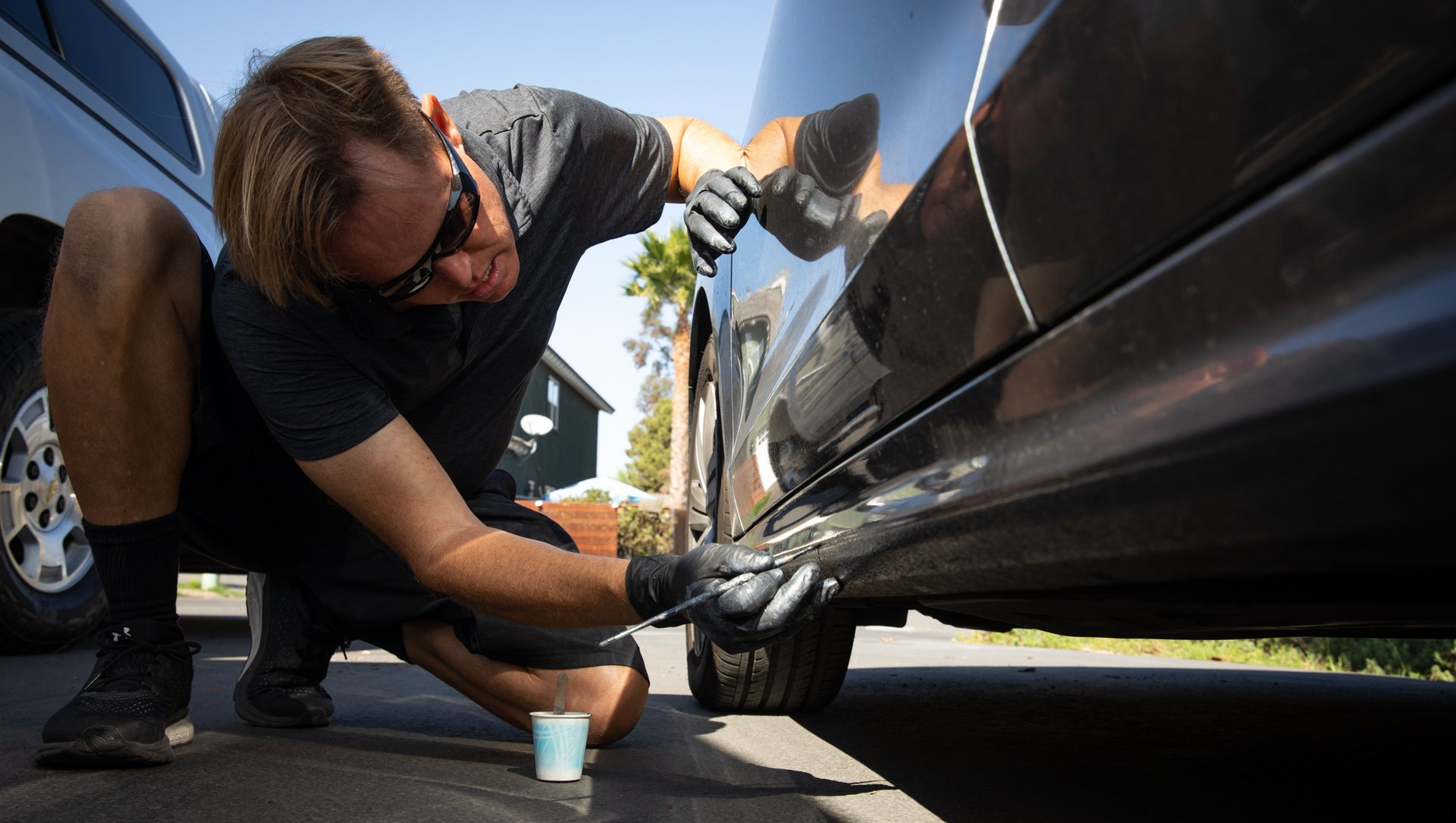
Not all dents are created equal, and neither are the methods used to fix them. If you're weighing whether to repair a dent before selling or trading in your car, understanding the difference between paintless dent repair and traditional dent repair can help you make a smarter — and often cheaper — decision.
What Is Paintless Dent Repair (PDR)?
Paintless dent repair is exactly what it sounds like: a technique that removes dents without repainting the vehicle. Using specialized tools, a technician gently massages the metal back into its original shape from behind the panel, preserving the factory paint finish.
PDR works best on:
- Small to medium dents without cracked or chipped paint
- Dents from hail, door dings, and minor parking lot impacts
- Panels that are still accessible from behind (doors, hoods, fenders, roofs)
Because there's no need for fillers, sanding, or repainting, PDR is typically faster and less expensive than traditional methods.
What Is Traditional Dent Repair?
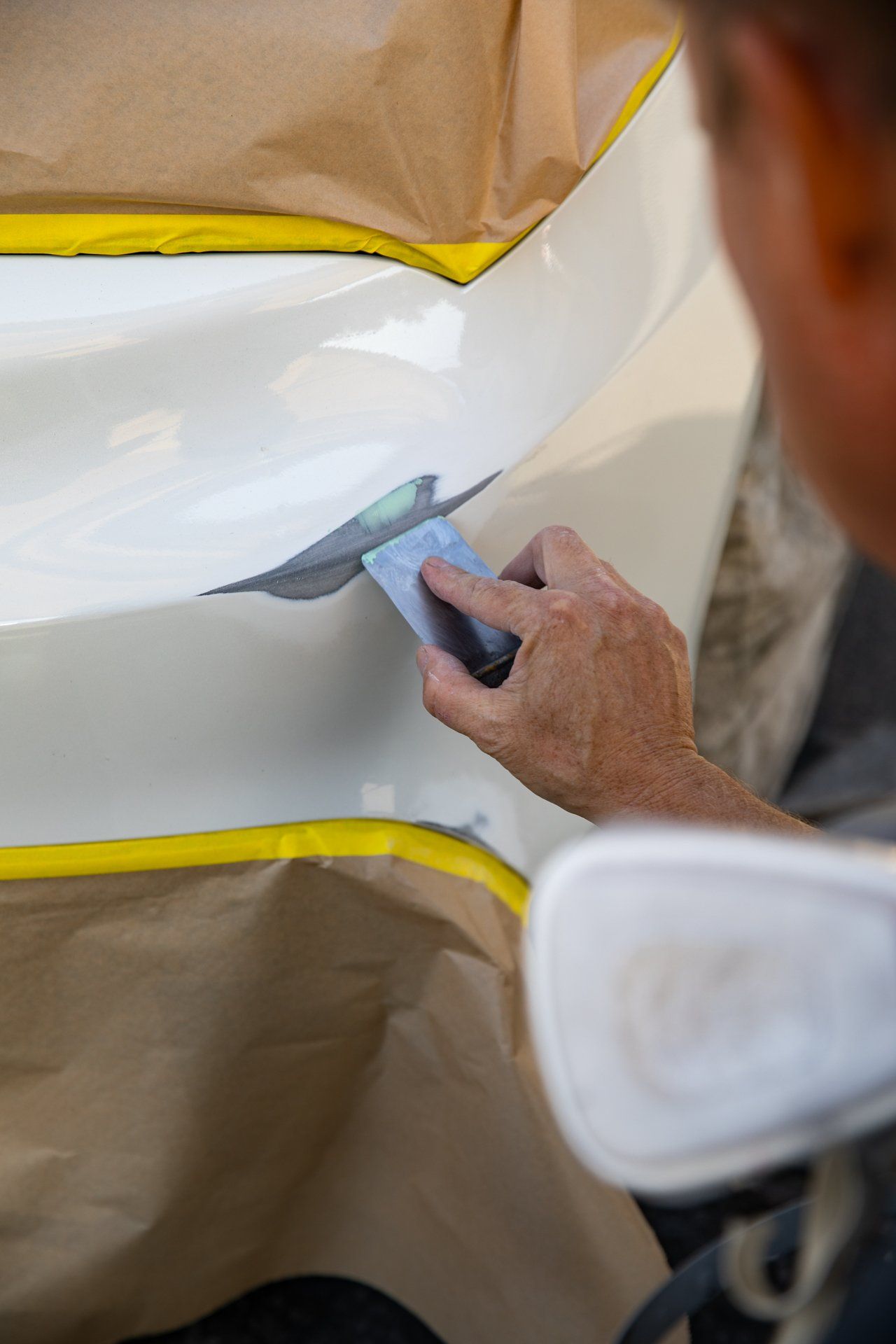
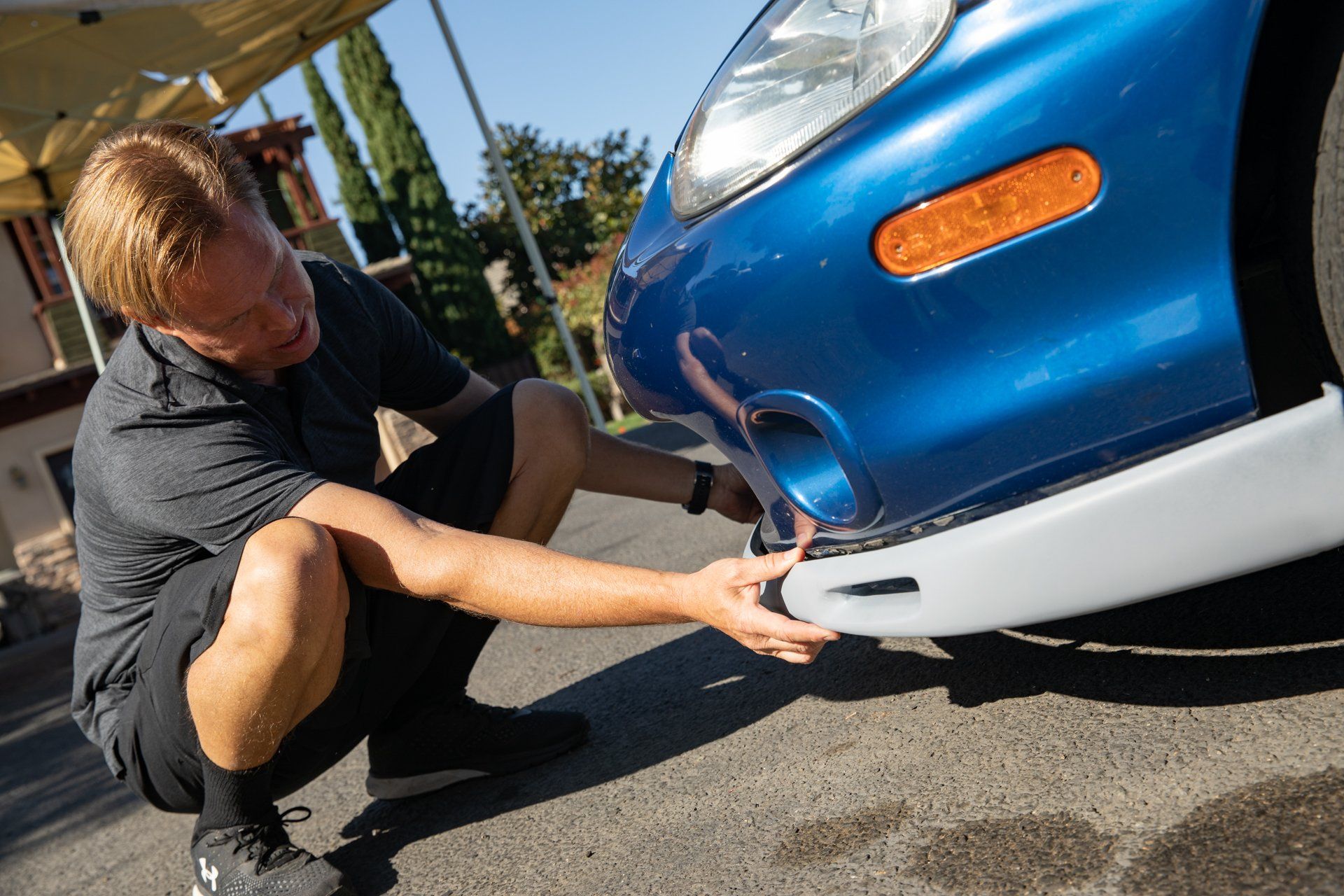
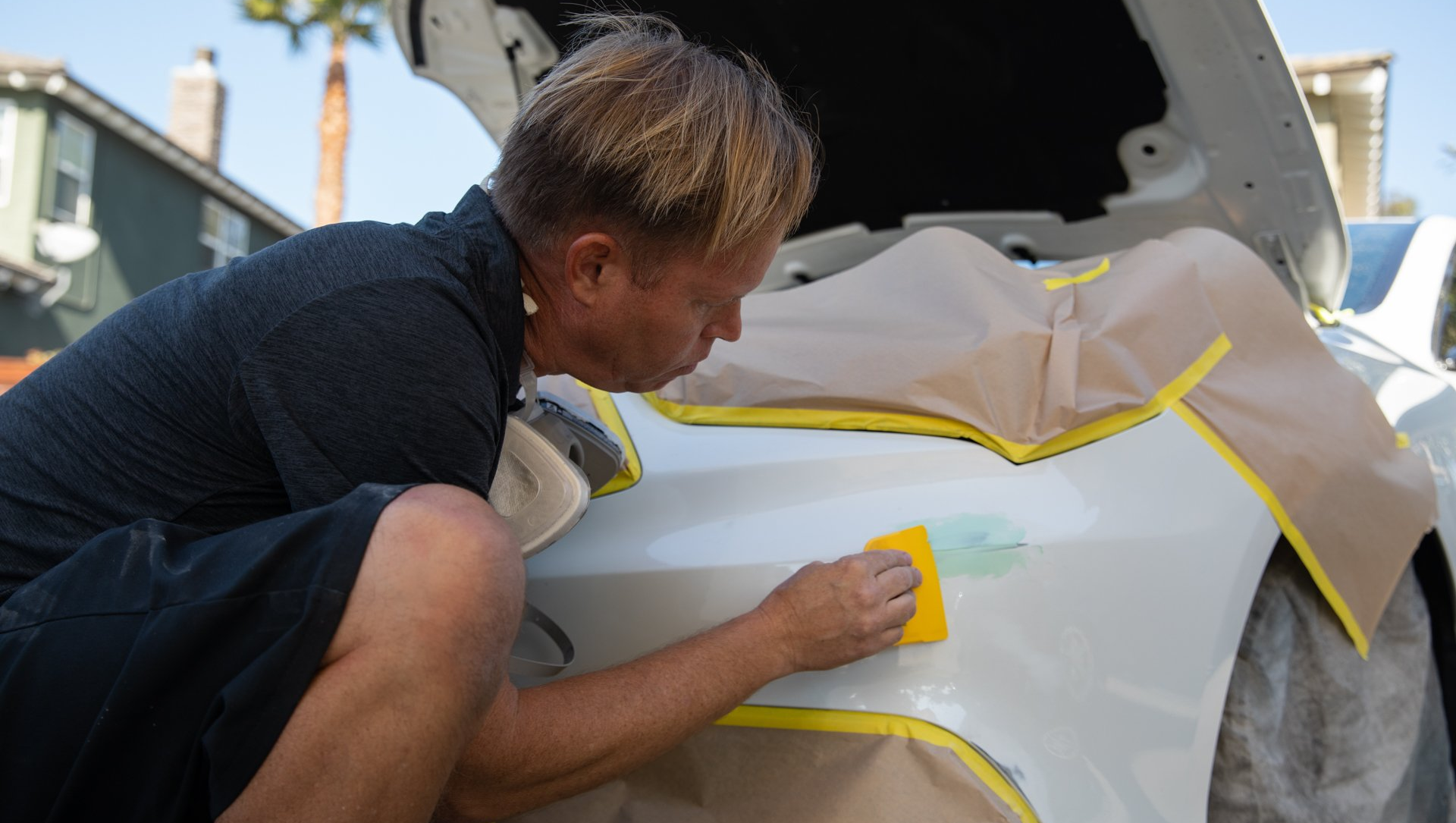
Traditional dent repair involves more hands-on bodywork — filling, sanding, priming, and repainting the affected panel. This approach is necessary when:
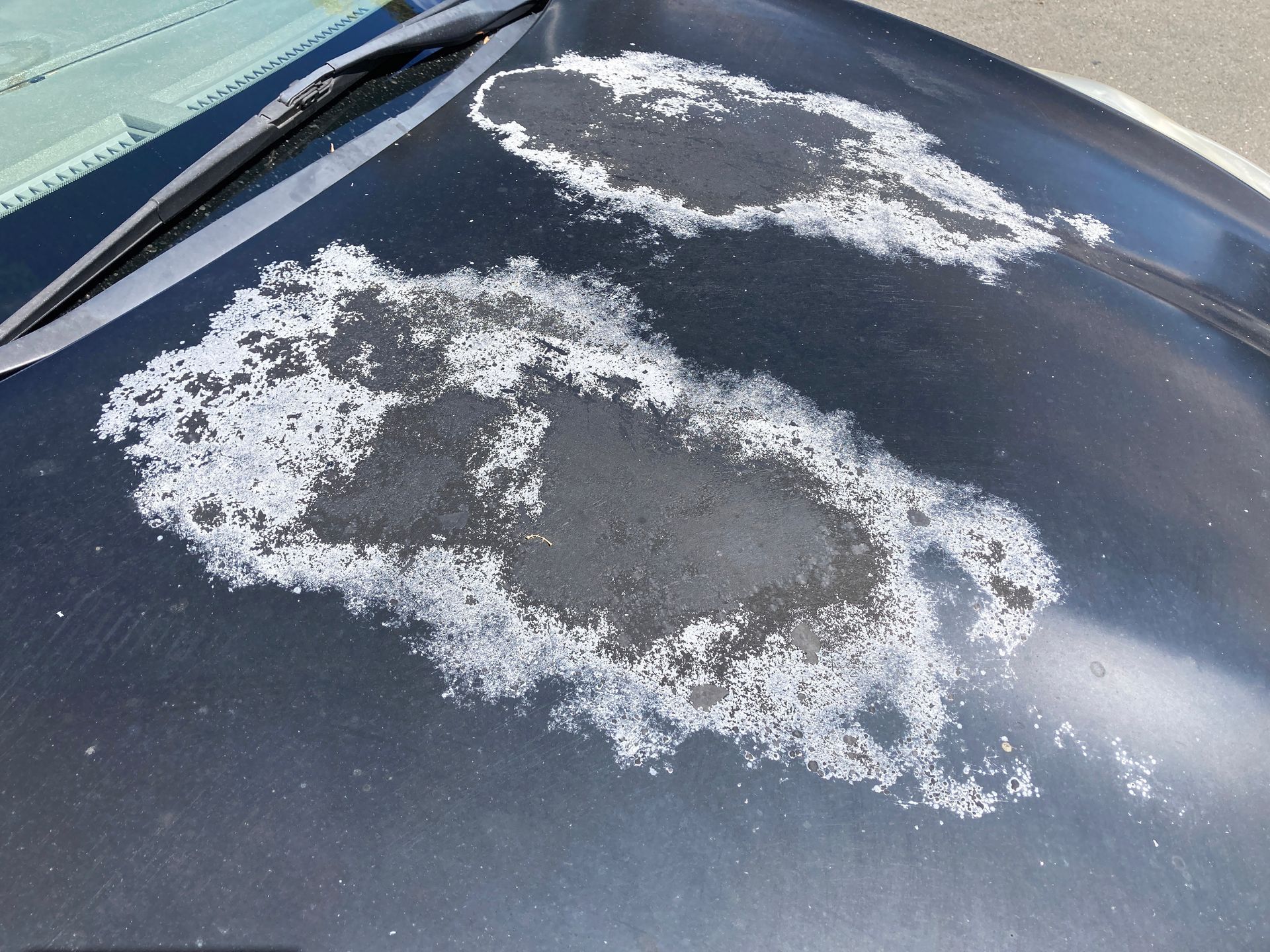
- The paint is cracked, chipped, or peeling at the dent site
- The dent is large, sharp-creased, or located on a hard-to-access panel
- There's underlying structural or panel damage beyond the dent itself
While more labor-intensive, traditional repair can restore panels that paintless methods simply can't fix.
Which Method Protects Resale Value Better?
The honest answer: it depends on the damage, but paintless dent repair is generally the better option for resale value when it's a viable option.
Here's why:
- It preserves the factory paint. Buyers and dealerships value original, unrepainted panels — repainted panels can sometimes be flagged during a vehicle history or paint-depth inspection, which may raise questions during a sale.
- It costs less, meaning a better return relative to what you're spending to fix the issue before selling.
- It's faster, which matters if you're on a timeline to list or trade in your vehicle.
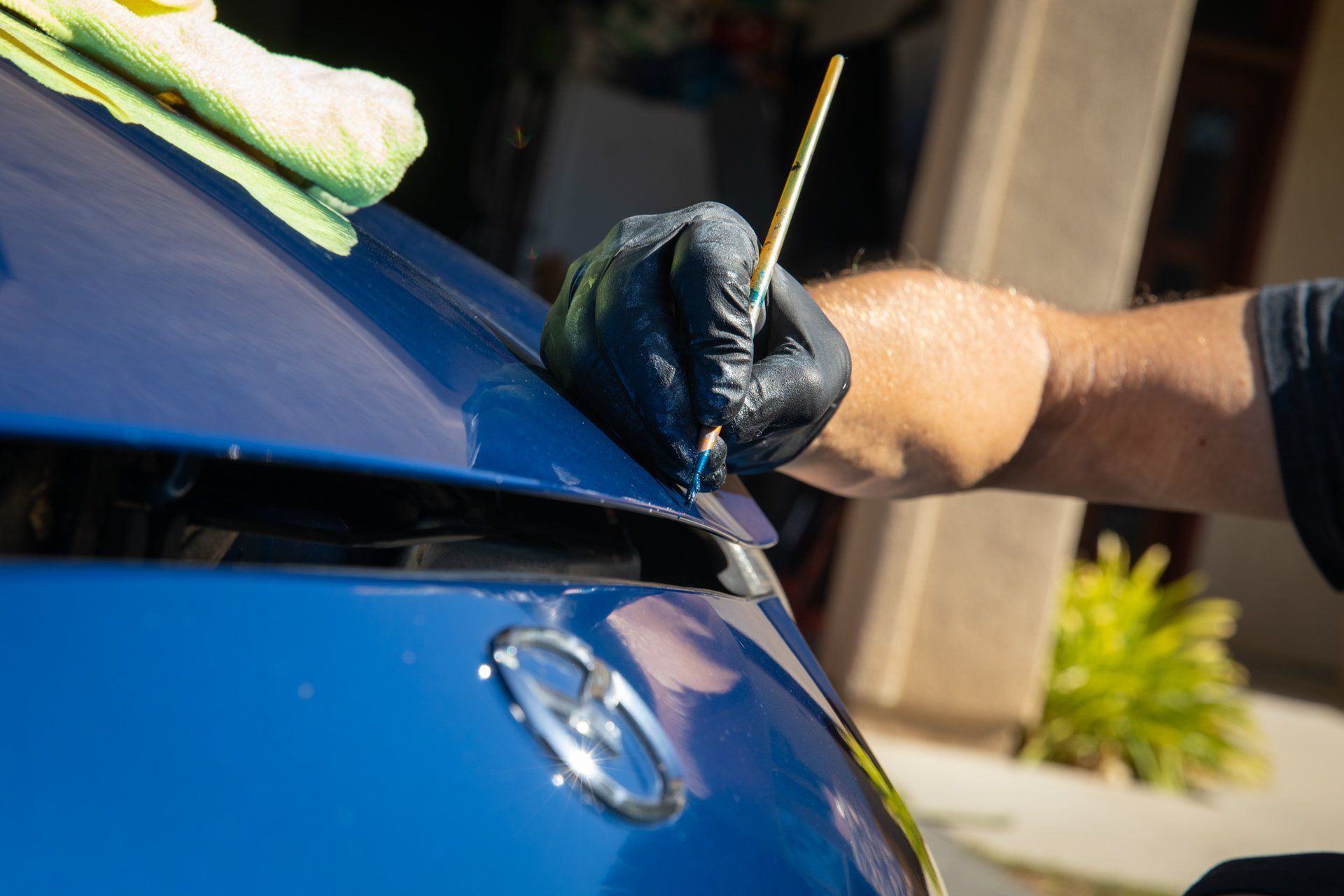
That said, traditional dent repair still has its place. If a dent has damaged the paint, PDR isn't an option — and leaving cracked or chipped paint unaddressed can lead to rust, which is a much bigger resale value problem than the dent itself.
How to Know Which One Your Car Needs
A quick way to gauge which method applies:
- Check the paint. If it's intact and undamaged, PDR is likely possible.
- Assess the dent's shape and depth. Sharp creases or very deep dents often need traditional repair.
- Consider the panel's accessibility. Some areas simply can't be reached with PDR tools.
In most cases, this isn't something you need to diagnose yourself — a quick inspection from an experienced technician will tell you which method fits your specific damage.
What This Means Before You Sell or Trade In
If you're prepping a car for sale, dents are one of the first things buyers and appraisers notice. A car with clean, dent-free panels simply photographs and shows better — and it signals that the vehicle has been well cared for, which can influence a buyer's perception of the car's overall condition.
Fixing dents before listing your car, even minor ones, is one of the more cost-effective ways to improve first impressions without a major investment.
Getting the Right Repair for Your Situation
Whether a dent calls for paintless repair or traditional bodywork, getting it assessed before you sell means you're not leaving value on the table — or overpaying for a repair method your car doesn't actually need.
If you're in Carlsbad, Oceanside, Vista, or San Marcos and prepping your car for sale, AccuCar Paint offers mobile paint chip and dent repair — including paintless dent repair — so your car can get resale-ready without you having to leave home.