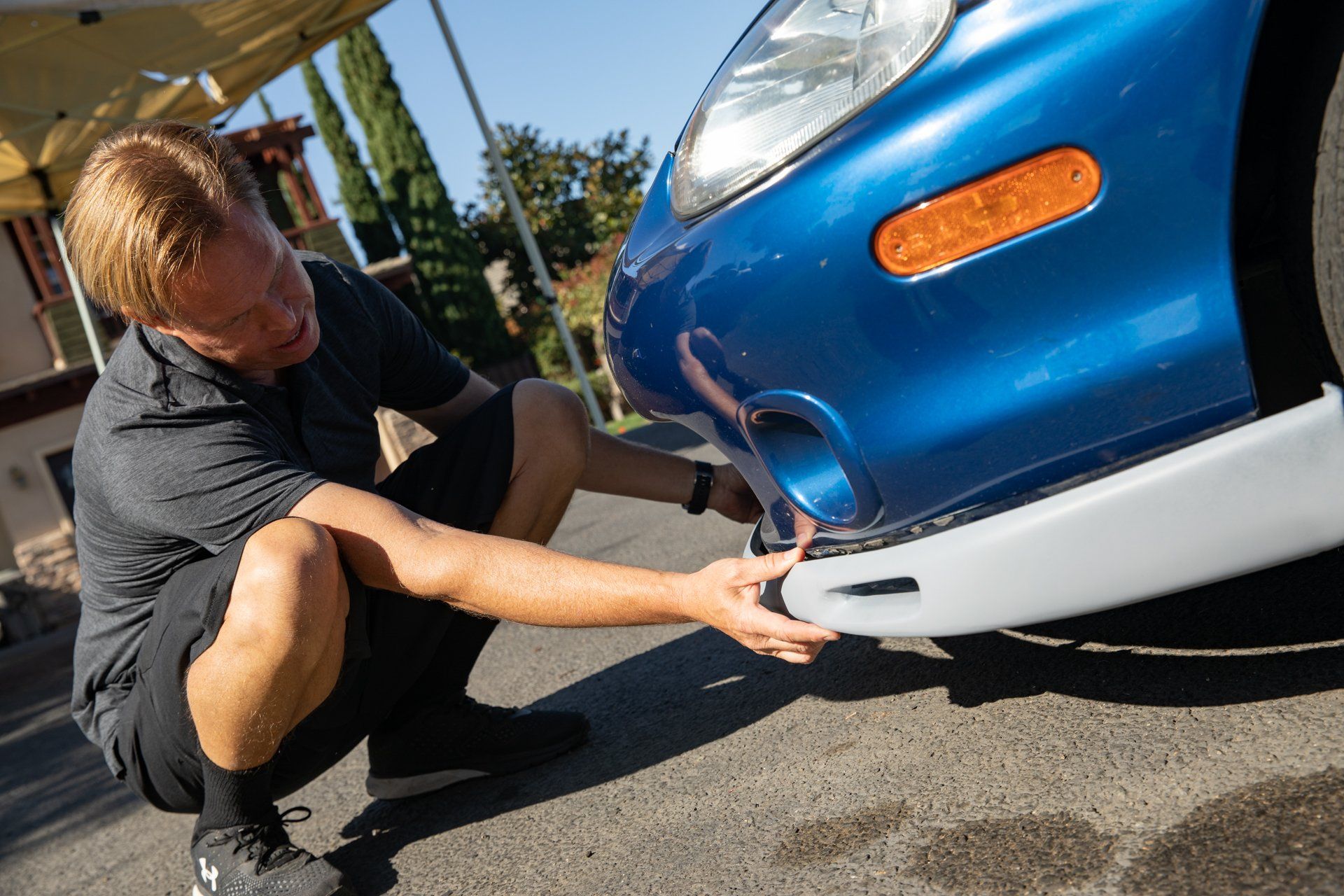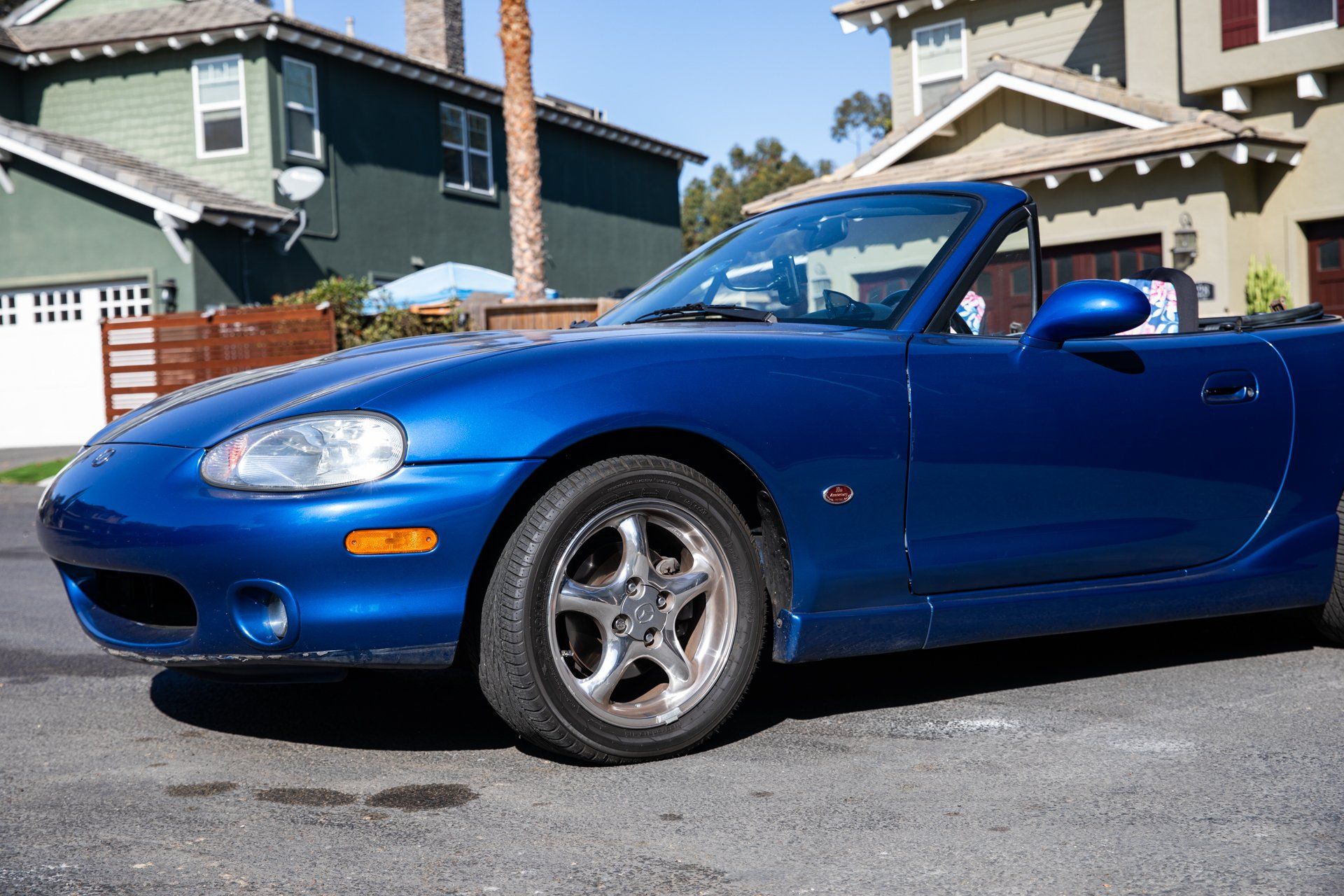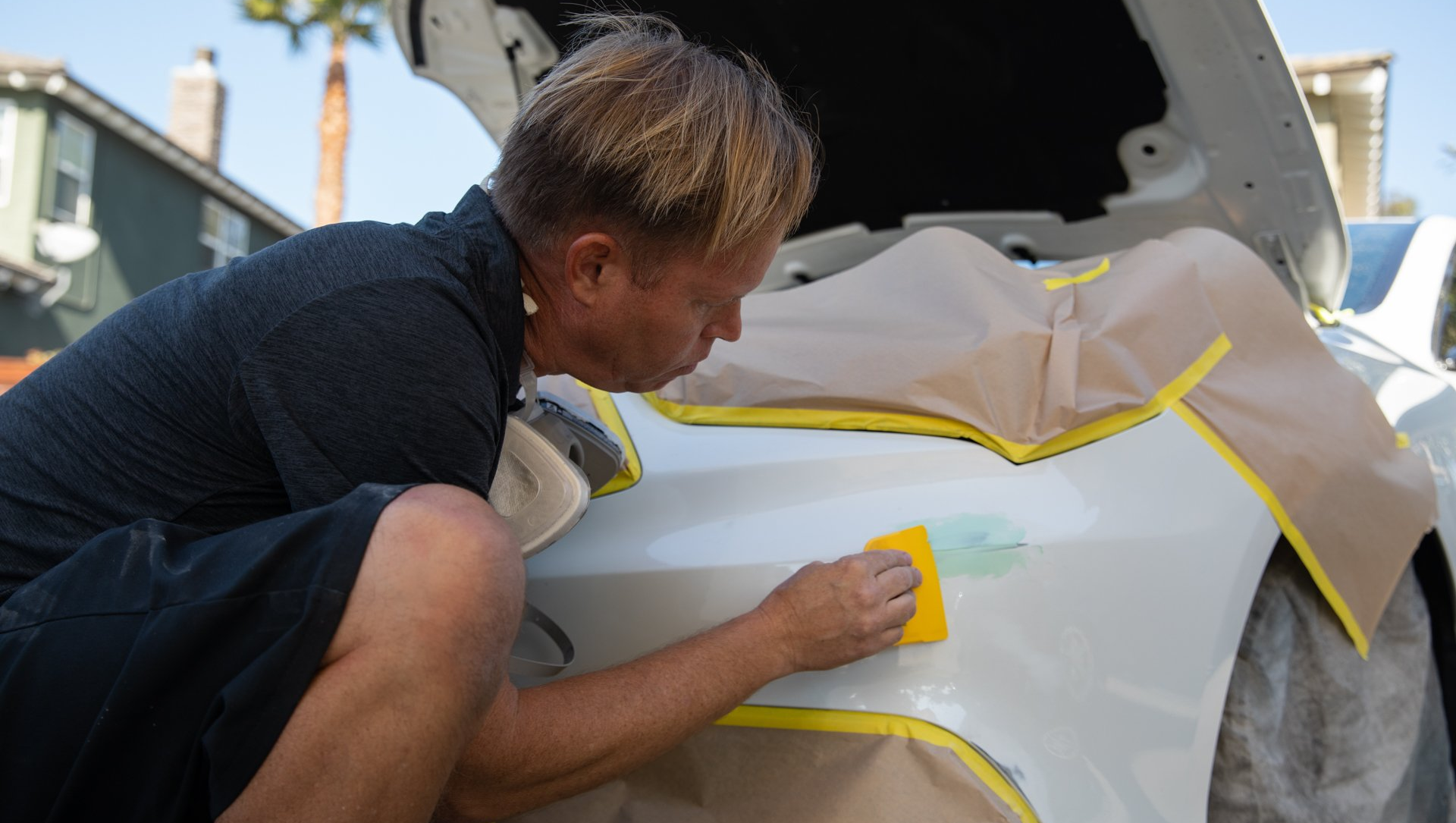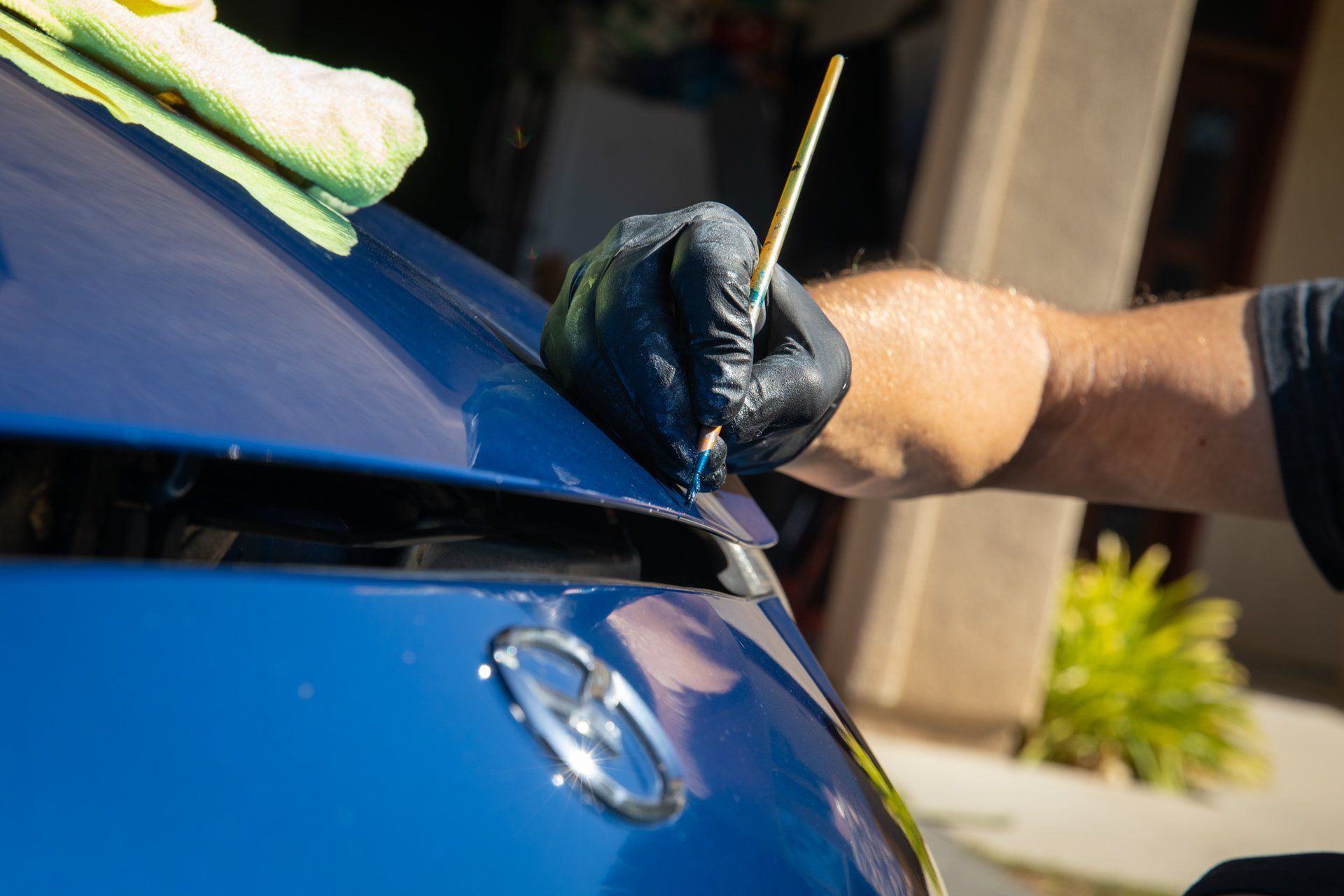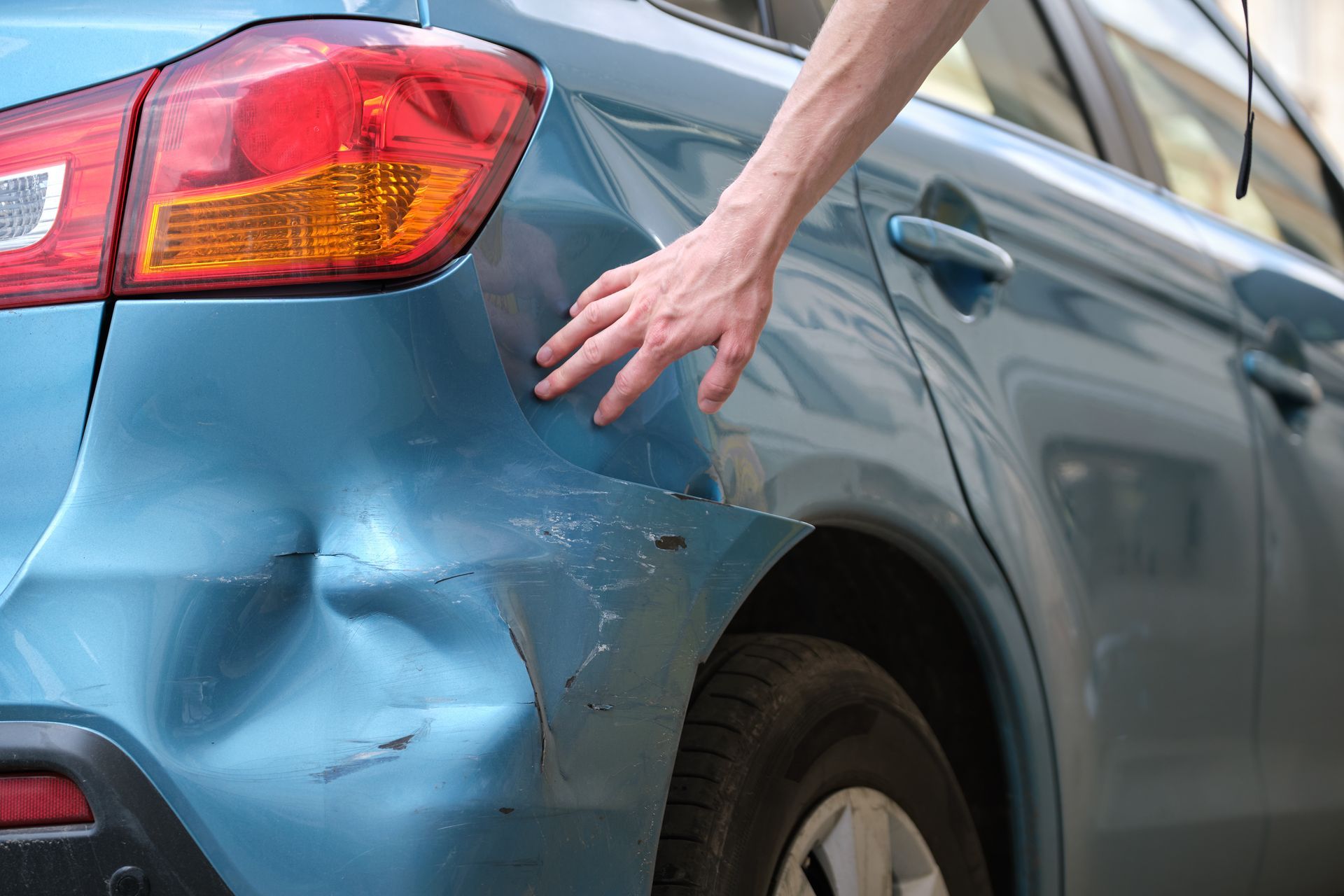
Scratching your car can be frustrating, whether it happens in a parking lot, driveway, or on the road. While some scratches are cosmetic, others can lead to rust, paint damage, and costly repairs if not handled correctly. Knowing what to do immediately after a scratch can help minimize damage and protect your vehicle until it’s professionally repaired.
Here’s a practical checklist every car owner should follow.
Step 1: Assess the Damage Carefully
Before taking any action, inspect the scratch in good lighting. Determine how deep it is:
- Clear coat scratches appear light and often look like surface scuffs
- Paint scratches go beyond the clear coat and expose the colored paint
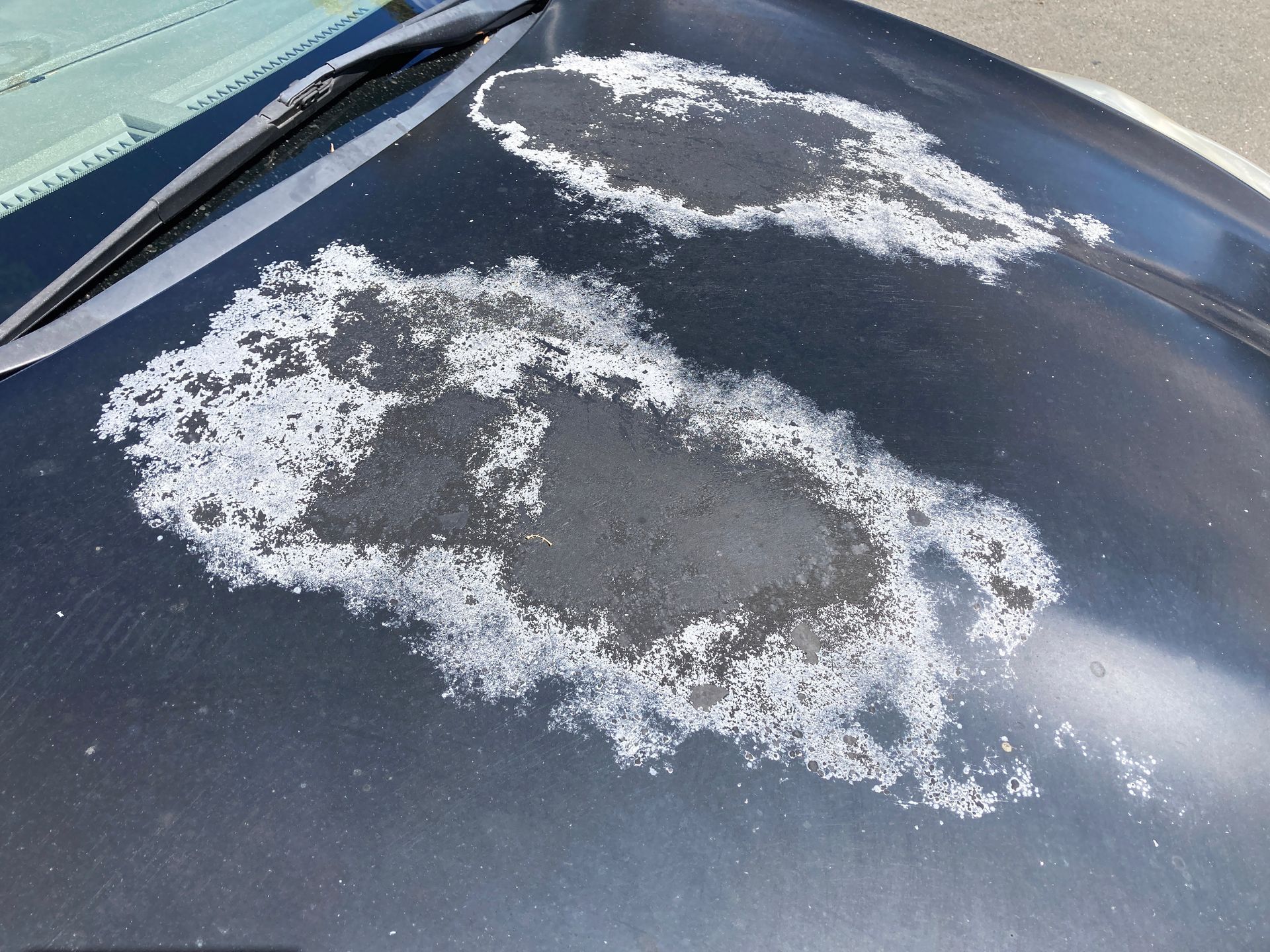
- Deep scratches expose metal or primer and pose a rust risk
If you see bare metal, the scratch needs professional attention as soon as possible.
Step 2: Clean the Area Gently
Dirt and debris can worsen scratches if rubbed into the surface.
- Wash the area with mild soap and water
- Use a soft microfiber cloth—never paper towels or abrasive materials
- Dry thoroughly to get a clear view of the damage
Cleaning helps prevent contamination and allows you to accurately assess next steps.
Step 3: Avoid DIY Fixes That Can Make It Worse
Many quick “fixes” can actually cause more harm than good:
- Do
not use household products like toothpaste or baking soda
- Avoid aggressive rubbing or buffing
- Skip touch-up paint unless it’s properly matched and applied
Incorrect DIY attempts can deepen scratches, damage surrounding paint, or complicate professional repairs later.
Step 4: Protect the Scratch Temporarily
If the scratch exposes paint or metal and you can’t get it repaired immediately:
- Apply a thin layer of automotive wax or scratch sealant
- This acts as a temporary barrier against moisture and debris
This is not a permanent fix, but it can help reduce the risk of rust until proper repair is completed.
Step 5: Document the Damage
Take clear photos of the scratch from multiple angles. This is especially important if:
- The damage occurred in a parking lot or public area
- Another vehicle may be involved
- You plan to file an insurance claim
Documentation helps protect you and ensures accurate estimates later.
Step 6: Schedule a Professional Inspection
Even minor scratches can be more serious than they appear. A professional assessment ensures:
- Accurate identification of paint and clear coat damage
- Proper color matching
- Long-lasting repair that restores your vehicle’s appearance and value
Early professional repair often costs less than waiting until rust or paint failure develops.
Why Professional Repair Matters
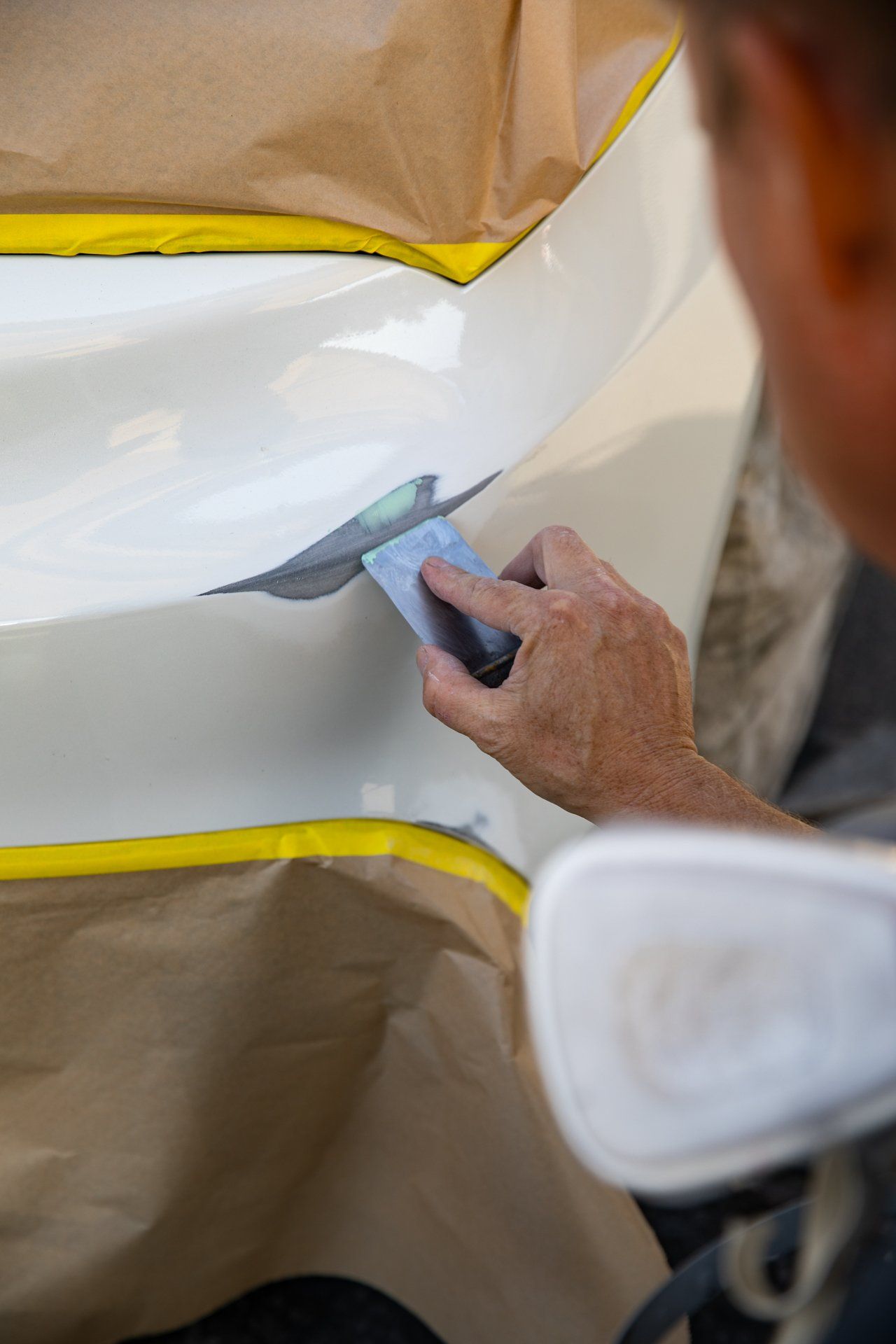
Modern automotive paint systems are complex. Matching factory paint, restoring clear coat protection, and blending repairs seamlessly require specialized tools and expertise. A professional repair not only improves appearance—it protects your vehicle long term.
Trust Accucar Paint for Expert Scratch Repair
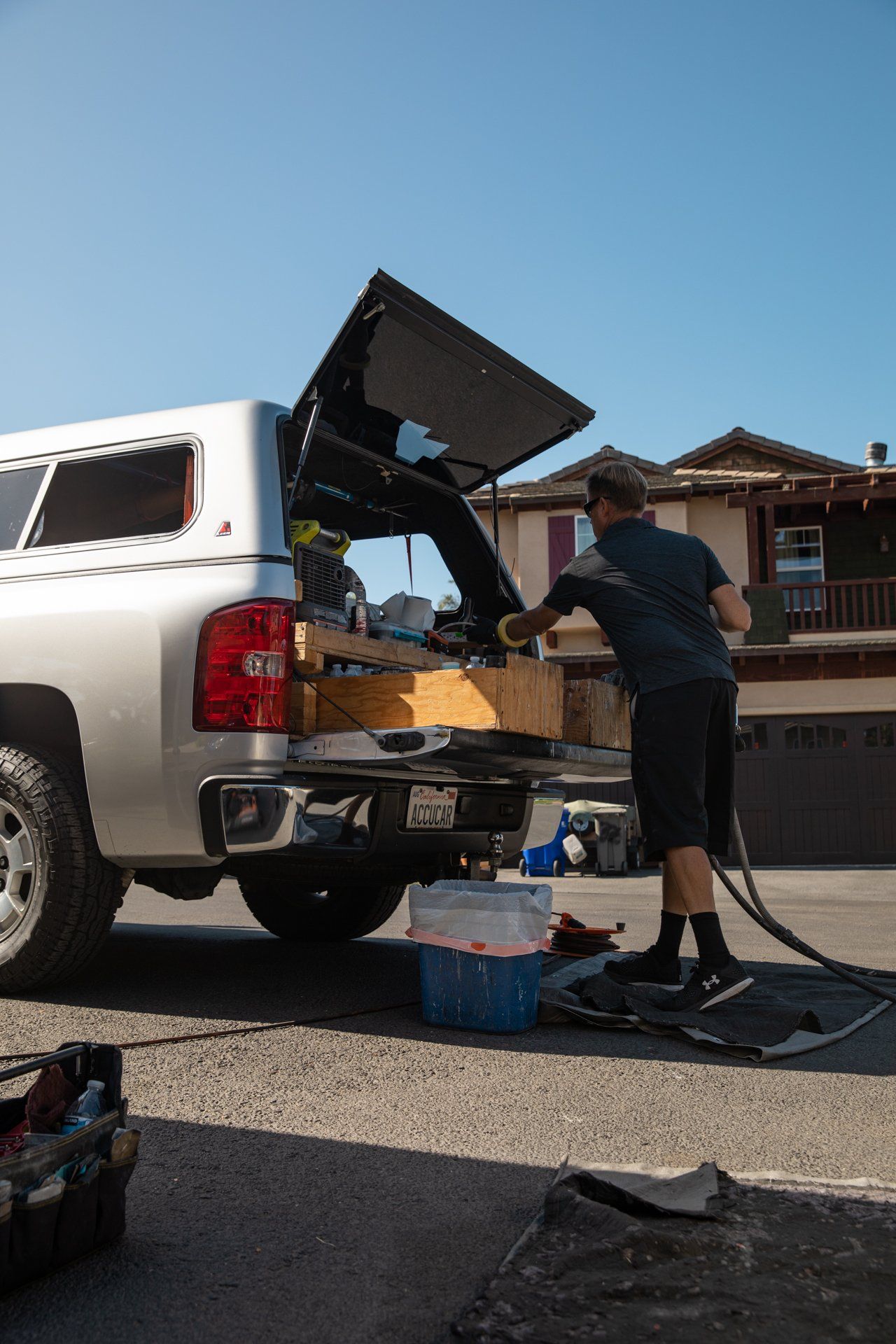
At Accucar Paint, we specialize in high-quality automotive paint and scratch repair services that restore your vehicle’s finish properly—not temporarily. Our experienced team uses professional materials and precise color-matching techniques to ensure results that look factory-fresh.
When you bring your vehicle to Accucar Paint, you can expect:
- Honest assessments and clear communication
- Skilled craftsmanship focused on long-term durability
- Repairs that protect your vehicle’s value and appearance
Final Thoughts
Scratching your car is never ideal, but acting quickly and correctly can make a significant difference. By cleaning the area, avoiding harmful DIY fixes, and scheduling professional repair, you can prevent minor damage from becoming a major issue.
If your car has been scratched, contact Accucar Paint to ensure the repair is done right the first time.